
Top Dentist Tips: Essential Guide To Oral Health

Oral health is an essential part of overall wellness that often gets overlooked until problems arise. Maintaining a healthy mouth goes beyond the aesthetics of a bright smile; it is crucial for avoiding discomfort, pain, and diseases that can affect your quality of life. In this guide, we’ll delve into practical advice from leading dental experts to help you keep your oral health in top condition.
Regular dental check-ups, proper brushing techniques, and an appropriate diet are just the starting points. With insights from top dentists and dental professionals, this guide will provide you with essential tips and practices to ensure sustainable oral health management. Let’s explore some of the most critical aspects of dental care to help you achieve and maintain a healthy mouth.
Contents
Brushing and Flossing Techniques
Proper brushing and flossing are the cornerstones of good oral hygiene. Experts from Hillcrest Dental Care Experts emphasize the importance of using a soft-bristled toothbrush to avoid damaging gums. Brushing should last at least two minutes, twice a day, using fluoride toothpaste. The technique is also important; hold your brush at a 45-degree angle to your gums and use short back-and-forth strokes across the tops and fronts of your teeth, followed by rolling sweeps away from the gumline.
Equally essential is flossing daily to remove debris and plaque your toothbrush can’t reach. Gently guide the floss between all teeth to the gum line, forming a ‘C’ shape around each tooth. This aids in disrupting plaque formation, which is vital for preventing gum disease and cavities.
Nutrition and Oral Health
What you eat plays a pivotal role in maintaining oral health. Consuming sugary snacks and drinks can lead to cavities by providing fuel for bacteria that eat away at dental enamel. To safeguard your teeth, limit your intake of these substances and opt for more teeth-friendly options like cheeses, nuts, fruits, and vegetables which can help buffer acids and provide vitamins that promote dental health.
In addition, stay hydrated with water instead of acidic beverages like sodas or fruit juices that can erode tooth enamel over time. Water not only helps rinse away food particles but also aids in maintaining optimal saliva production critical for natural defense against cavities.
Regular Dental Check-ups
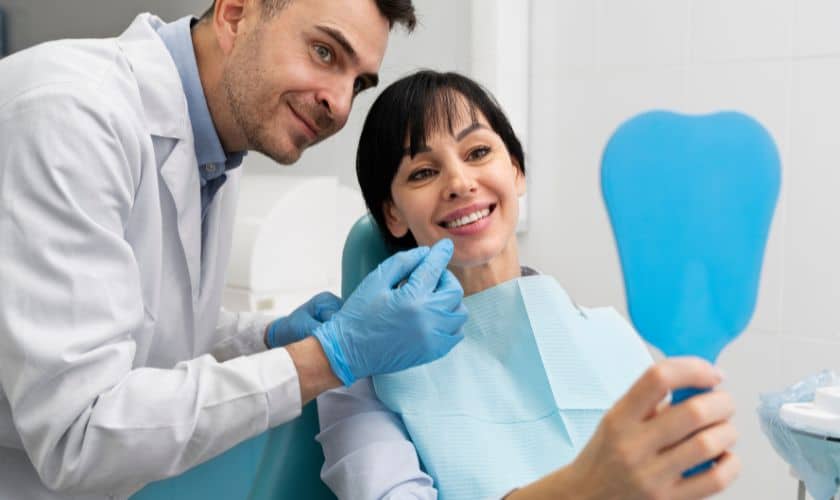
Frequent visits to the dentist play a substantial role in preventive care, allowing potential problems to be identified and addressed early before they develop further. During routine check-ups, dentists can perform professional cleanings, apply fluoride treatments, give personalized advice on caring for your mouth based on specific issues they observe, and reinforce habits such as proper brushing techniques discussed earlier.
The American Dental Association recommends seeing your dentist at least once every six months for examinations and cleanings. These visits are essential in preventing dental disease and ensuring that existing conditions do not worsen.
Knowing When to Seek Immediate Dental Care
Understanding when to seek immediate professional attention helps prevent complicated issues from worsening. Symptoms like persistent pain or sensitivity, swollen gums, or visible changes in tooth structure warrant urgent consultation with your dentist. Never ignore acute discomfort as it often signifies underlying problems that need prompt treatment.
If you ever experience severe trauma such as an injury leading to broken teeth or jaw displacements, seeking emergency dental care can be critical in preserving your oral health long term.
Avoiding Harmful Habits
Certain habits considerably harm oral health including smoking and excessive alcohol consumption which both increase the risk of gum disease and oral cancer. Reducing or eliminating tobacco usage is one of the best things you can do for your overall oral health. Likewise, limiting alcohol intake contributes to better oral conditions.
Beware also of less obvious habits like grinding teeth (bruxism), which can wear down teeth enamel and contribute to jaw pain. If you suspect you might be grinding your teeth during sleep, consult with your dentist about potential solutions such as wearing a nighttime mouthguard.
In conclusion, maintaining excellent oral health amidst busy lifestyles involves integrating small yet effective habits into everyday routines—from mindful brushing to understanding the impacts of our dietary choices on our dental well-being. By following these dentist-backed tips and making regular visits for check-ups and cleanings, you can enjoy a healthier smile that enhances both physical health and confidence.
Remember: Taking proactive steps towards good oral hygiene today will benefit you through a lifetime of healthy smiles!


