
Waterproofing Guide For A Strong Foundation
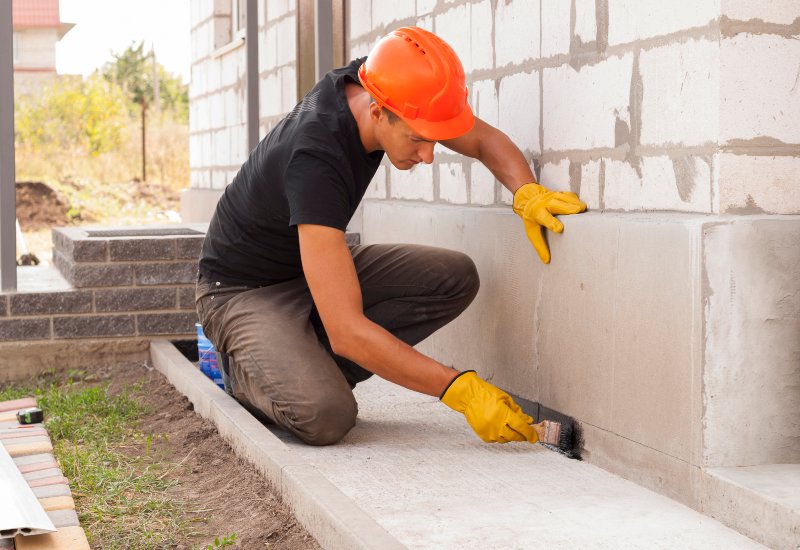
Waterproofing is an essential aspect of construction and home maintenance that often goes overlooked, yet it plays a critical role in ensuring the longevity and stability of buildings. A strong foundation is the backbone of any structure, and the protection against moisture invasion is key to preserving its integrity. Inadequate waterproofing can lead to significant issues such as mold growth, structural deterioration, and costly repairs, making it imperative for homeowners and builders alike to prioritize this crucial element during the construction process.
This article delves into the importance of waterproofing for foundations, exploring various techniques and materials available to safeguard against water infiltration. By understanding the risks associated with neglecting waterproofing measures and the benefits of implementing effective solutions, property owners can make informed decisions that will bolster the resilience of their foundations and ensure a safer, more durable living environment for years to come.
Techniques for Effective Waterproofing
Various techniques can be employed to ensure effective waterproofing of foundations. One popular method is the use of exterior waterproofing membranes, which provide a robust barrier against moisture infiltration. These membranes can be applied directly to the foundation walls, creating an impermeable layer that prevents water from seeping in. Additionally, installing proper drainage systems, such as French drains, can guide water away from the foundation, mitigating the risk of hydrostatic pressure buildup. Furthermore, the application of sealants and coatings can enhance protective layers, offering additional resistance to water damage. Homeowners can learn more about these techniques and their importance by visiting https://guruhitech.com/why-waterproofing-is-essential-for-a-strong-foundation/.
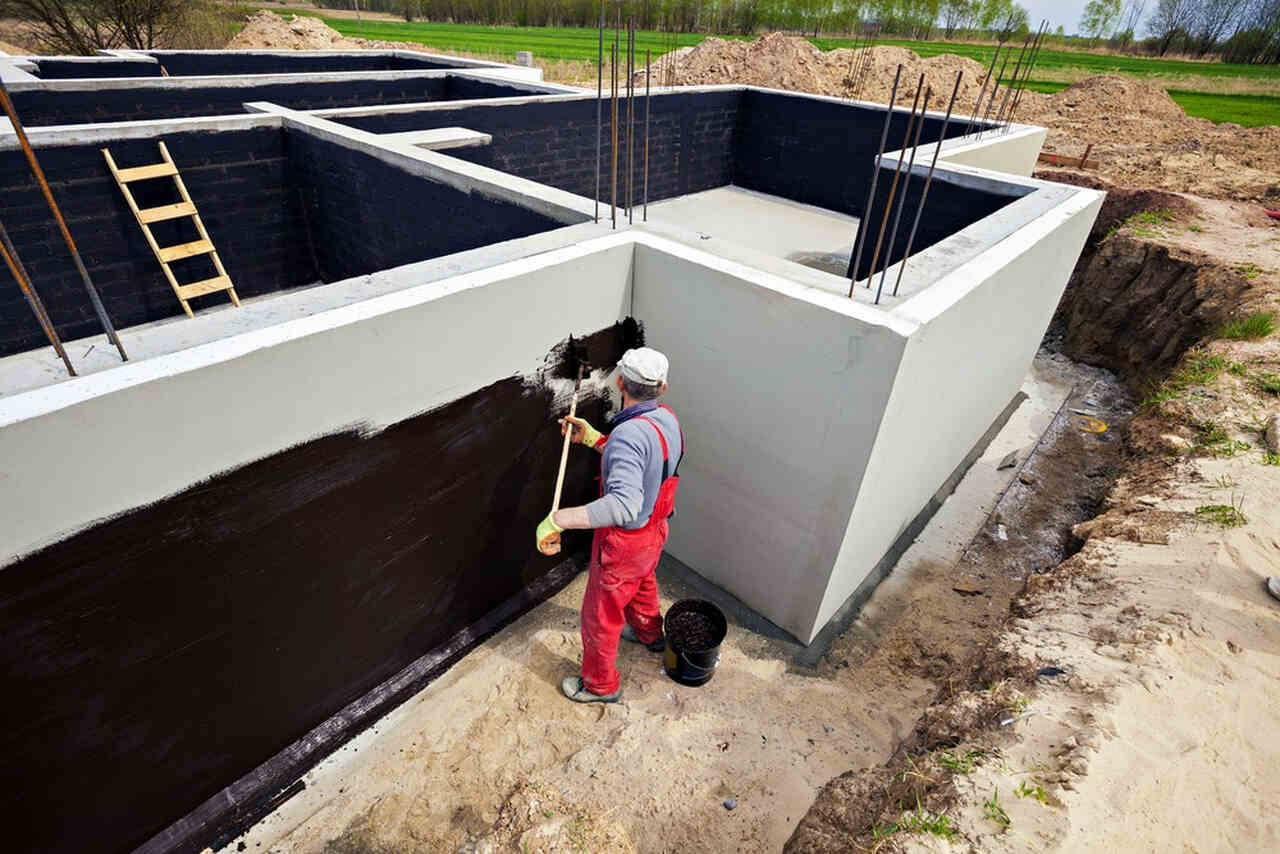
Long-term Benefits of Waterproofing
Investing in proper waterproofing measures offers numerous long-term benefits for property owners. Not only does it help prevent costly repairs related to water damage and structural issues, but it also enhances the overall value of the property. A well-waterproofed foundation contributes to improved indoor air quality by reducing the risk of mold and mildew formation, thus fostering a healthier living environment. Additionally, effective waterproofing measures can lead to lower energy costs, as moisture intrusion can negatively impact insulation and increase heating and cooling demands. Prioritizing waterproofing during construction or home renovation projects paves the way for a more durable and resilient structure that can withstand the test of time.
In conclusion, waterproofing is a vital component of building a strong foundation that is often underestimated yet profoundly impactful. By implementing effective waterproofing techniques during the construction or renovation process, property owners can protect their investments from the damaging effects of moisture infiltration. These measures not only safeguard the structural integrity of a building but also enhance its overall value and contribute to a healthier living environment. The long-term benefits of proper waterproofing—ranging from cost savings on repairs and energy efficiency to improved indoor air quality—underscore the necessity of making this a priority in any construction project. Ultimately, a well-executed waterproofing strategy is an investment in the future resilience and longevity of a property, ensuring that homes remain safe, comfortable, and strong for generations to come.